Research Spotlight: Bringing the Zulu War to Life in 3D
Go behind the scenes with Canadian military artist Vincent Wai as he discusses the research and digital sculpting process for his 1879 Zulu War figure collection.
4/24/20262 min read
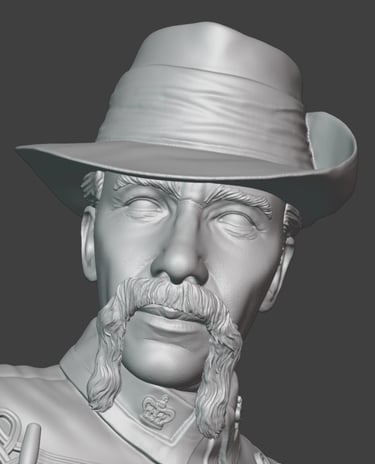
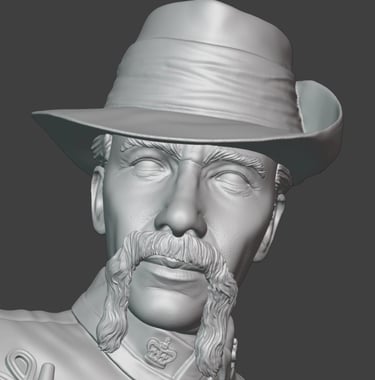
The British-Zulu War of 1879 has always been a compelling subject for historical artists. It is a conflict defined by stark contrasts, incredible bravery on both sides, and iconic uniforms. In this spotlight, I’m diving into the research and sculpting process behind my latest collection of Zulu War digital miniatures and busts.
The Challenge of Historical Accuracy
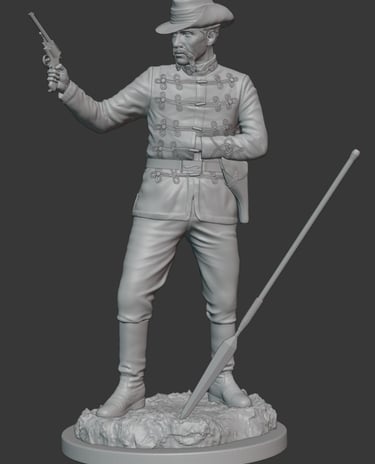
When transitioning from a 2D illustration to a 120mm or 1/9 scale sculpt, the "human element" becomes the priority. My goal is to move beyond the "toy soldier" look and capture the specific weight of the equipment and the tension of the era.
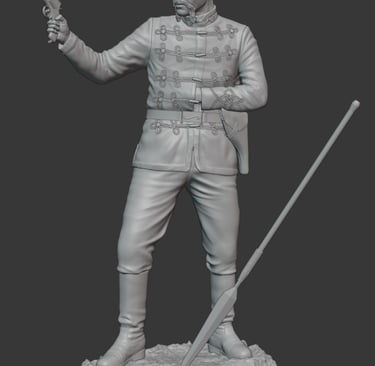
Colonel Anthony Durnford: For this 120mm figure, the focus was on his distinct uniform and the presence he commanded. Sculpting the details of his patrol jacket and specific weaponry required cross-referencing archival sketches to ensure the "heroic but tragic" silhouette of the Isandlwana commander was preserved.
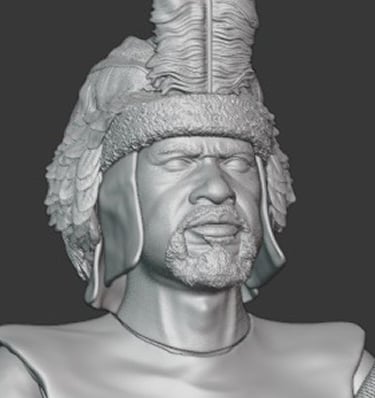
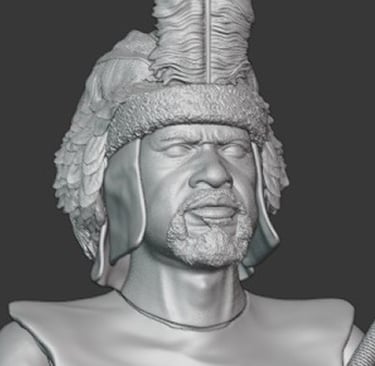
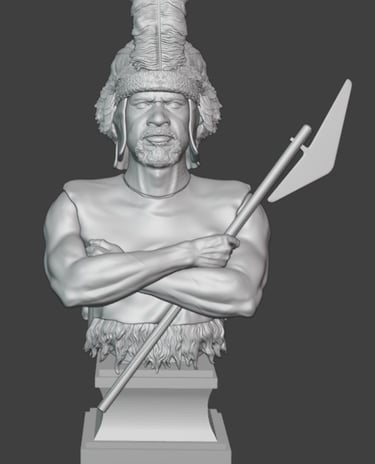
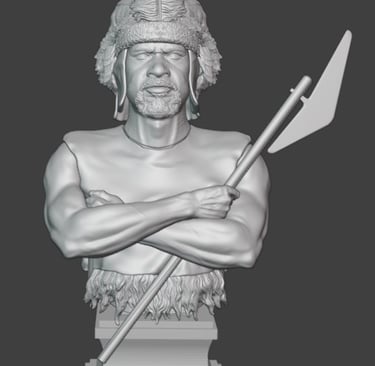
The Zulu Warrior Bust: Moving into 1/9 scale allowed me to focus heavily on anatomical realism and traditional Zulu attire. Capturing the texture of the isihlangu (shield) and the intricacies of the warrior's adornments was a highlight of this project.
Bridging Scales: From 28mm to 200mm
Historical accuracy shouldn't be limited by scale. Whether I am working on digital miniatures for wargaming or high-detail display pieces like the Color Sergeant, the research remains the same.
I often look at the ergonomics of how a soldier stands under the weight of a Martini-Henry rifle or the specific fold of a scarlet tunic. Using tools like Blender and Krita, I can ensure that even at smaller scales, the "story" of the figure is clear to the painter.
Why the Zulu War?
As a Canadian artist with a lifelong passion for military history, I find that sculpting these figures is about more than just resin and supports; it’s about honoring the history and the engineering of the past.
Explore the Full Collection: If you are interested in the technical side of these prints or want to see more of the finished renders, feel free to visit my Resource Page for the archives and communities that help inform my work.
Previous post: